
Is Body Positivity Becoming Body Complacency?
- Sasha Star

- Apr 14, 2025
- 3 min read
Updated: Apr 27, 2025
Where We Draw the Line Between Empowerment and Excuses
The body positivity movement was born from fire. It rose from the ashes of diet culture, fat-shaming, and narrow beauty standards that have chained women for decades. It gave millions of women permission to love themselves unapologetically, to throw away the tape measures and scales, and to embrace bodies of every shape, size, and color.
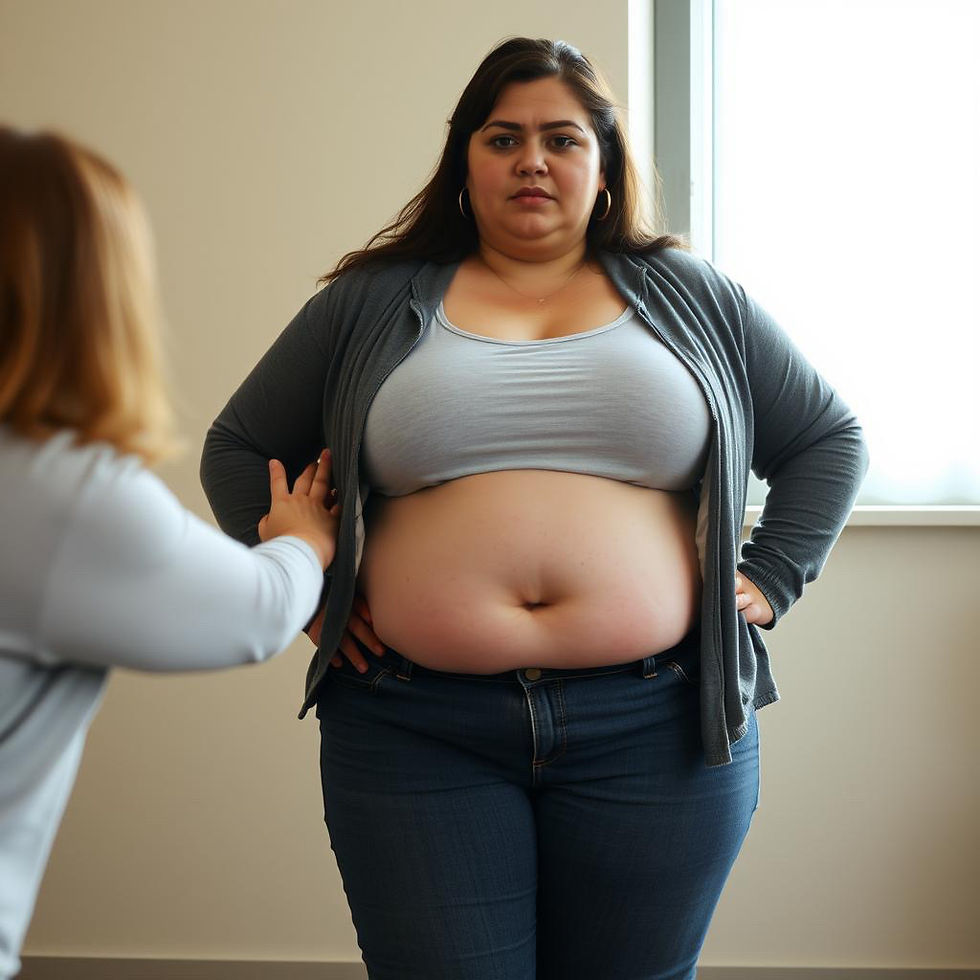
But as this movement gains mainstream traction, a complicated — and yes, uncomfortable — question is beginning to surface:
Has body positivity, in some spaces, morphed into body complacency?
Are we truly celebrating our bodies, or are we sometimes using the language of self-love to mask deeper issues of neglect?
The Liberation — and the Blind Spot
Let’s be clear: the foundation of body positivity is revolutionary. For too long, women were taught that our worth came from how close we were to impossible beauty ideals. The movement has rightly dismantled this narrative, creating space for every woman to see herself as worthy of love, desire, and respect.

But as with all revolutions, there is risk in losing balance.
There’s a growing trend — visible across social media and influencer circles — where health concerns are dismissed as “fatphobia” and any encouragement toward personal wellness is labeled “toxic.” Conversations around fitness, nutrition, and mental well-being are increasingly met with suspicion, as though the very pursuit of health is an act of betrayal to the movement.
This isn’t empowerment. This is avoidance dressed in activism.
Empowerment Means Ownership — Not Excuses
True empowerment is about ownership. It’s about claiming full responsibility for your body — its beauty and its care. Radical self-love does not mean turning a blind eye to what our bodies need. It doesn’t mean dismissing exhaustion, inflammation, or chronic discomfort in the name of rebellion.

There’s a difference between accepting our bodies and abandoning them.
Women like Lizzo, who unapologetically celebrates her size while being a powerhouse performer and committed advocate for fitness on her terms, embody the balance we need. Lizzo dances, trains, and lives loud — not because she owes the world a specific look, but because she honors what her body is capable of.
That’s body positivity with integrity.
The Fine Line: Self-Acceptance vs. Self-Sabotage
The challenge lies in nuance — something social media rarely allows. Body positivity should empower women to reject harmful beauty standards, but it shouldn’t silence conversations about health. After all, loving your body means nurturing it, not neglecting it under the guise of defiance.

When we celebrate self-love without encouraging self-respect, we risk turning a powerful movement into a hollow trend. One that feels good in hashtags but fails us in real life.
Reclaiming Balance
So, where do we draw the line?
We celebrate all bodies, but we also empower women to listen to their bodies’ needs.
We reject shame, but we welcome accountability.
We embrace self-love, but we remember that love is an active, not passive, force.
Body positivity must evolve to hold both truths at once: you are enough as you are, and you also deserve to feel good, move well, and live vibrantly in the body you inhabit.
The Future of Body Positivity Is Brave Honesty
The next chapter of body positivity isn’t blind acceptance. It’s brave honesty. It’s a generation of women who refuse to choose between loving their bodies and caring for them.
It’s saying: I love this body too much to neglect it. I respect this body enough to move it, nourish it, and challenge it. I honor this body as my home.
Let’s make space for both fierce self-acceptance and fearless self-improvement.
Because real empowerment is never either-or. It’s both.



Comments